
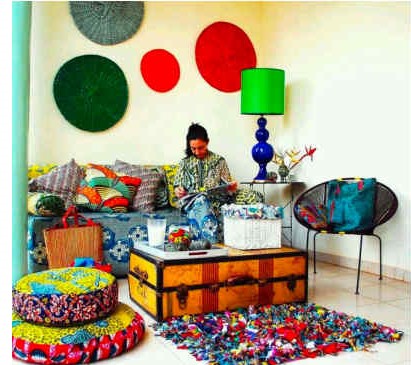
Sustainability
Sustainability in repurposing textile waste into finished product to add value to textiles. Reducing the environmental and social impact of fabric production and use
Ghana’s Living Heritage
Sustainability in repurposing textile waste into finished product to add value to textiles. Reducing the environmental and social impact of fabric production and use
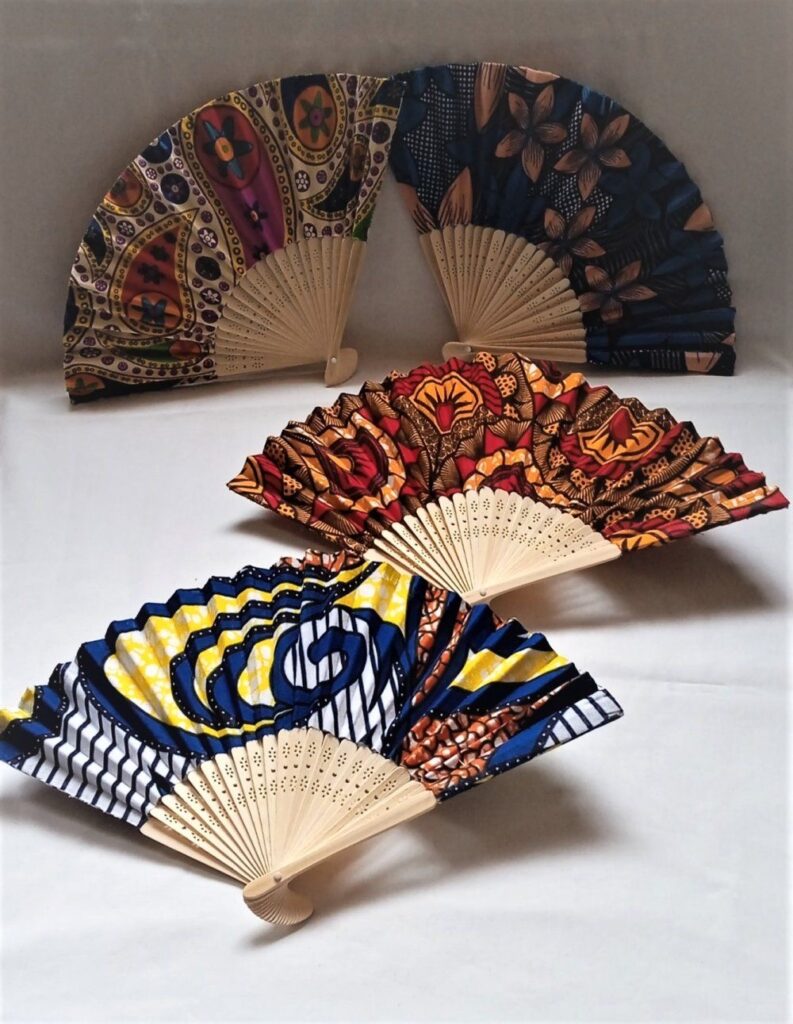
In 2026, fabric upcycling has evolved from a hobbyist craft into a core pillar of the circular fashion economy. Products made from waste fabric—whether from industrial deadstock or post-consumer scraps—offer a unique blend of high-end design and measurable environmental impact
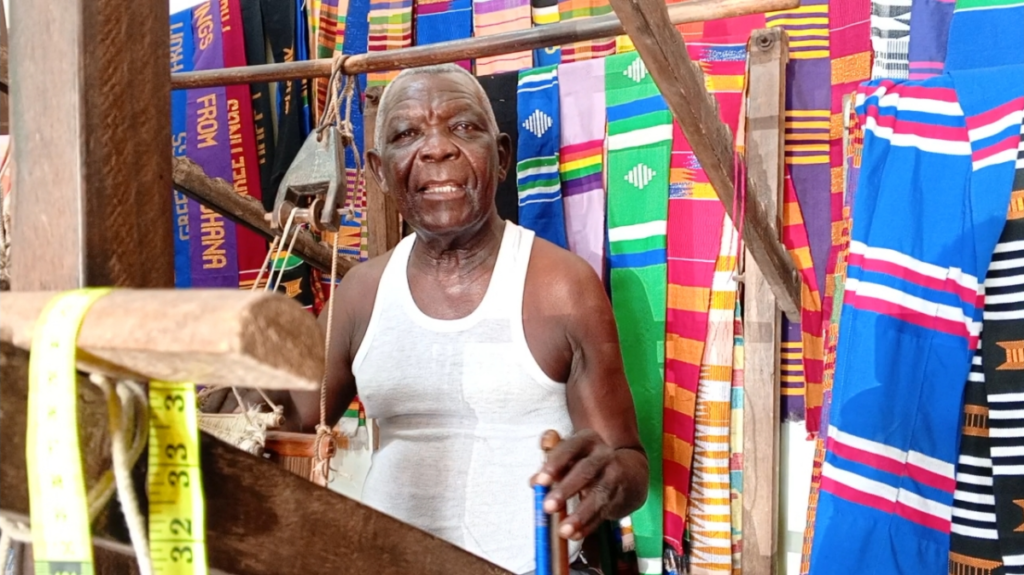
Behind every textile is a skilled artisan whose knowledge has been refined over generations. Fabric Atlas GH highlights weavers, dyers, printers, and designers, sharing their stories, techniques, and contributions to Ghana’s cultural legacy.
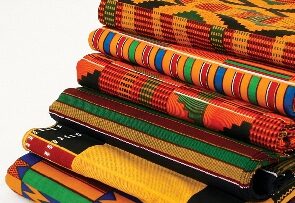
Kente is Ghana’s most iconic textile, originating from the Ashanti and Ewe people. Handwoven on traditional looms, each Kente pattern and color carries symbolic meaning related to leadership, wisdom, unity, and prosperity.
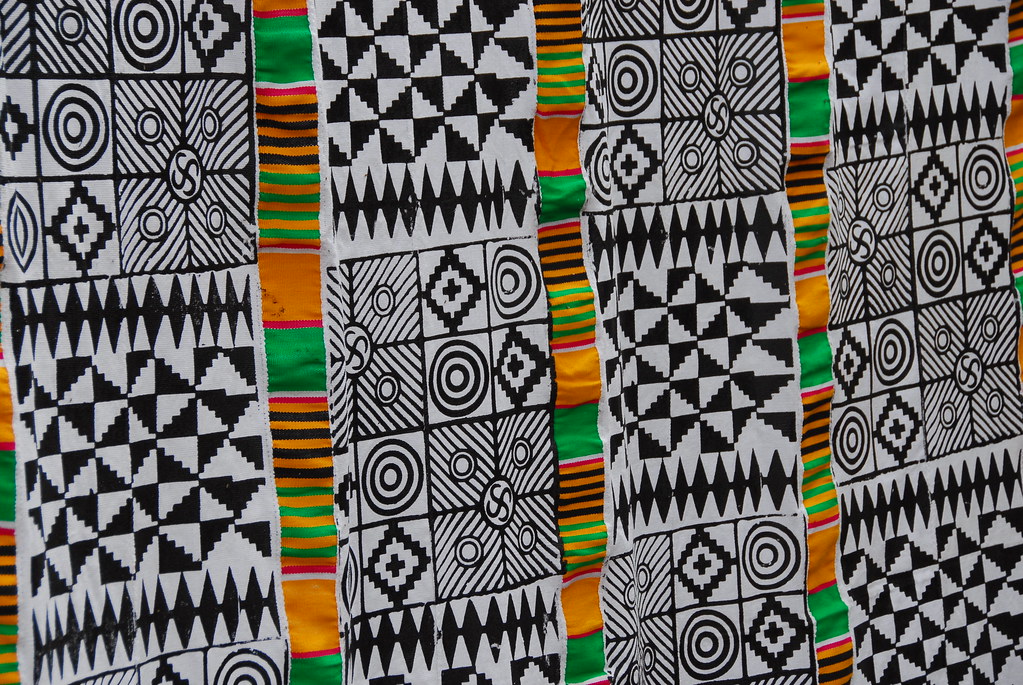
Adinkra fabrics are known for their stamped symbols that convey philosophical messages, proverbs, and moral values. Originating from the Akan people, each symbol represents concepts such as strength, humility, endurance, or spirituality.
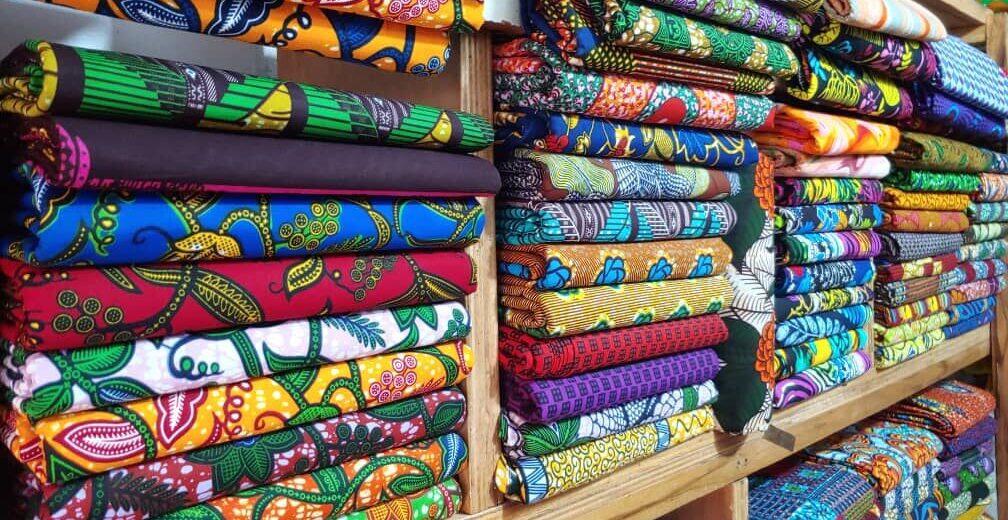
Wax prints are mostly used for ceremonial purposes and
often affiliated to prestige. Unlike fancy prints which
normally have contemporary designs to meet trends
and pop culture. Wax designs are classics designs which
are timeless and appreciated in terms of its attributes to
meanings and symbolic patterns
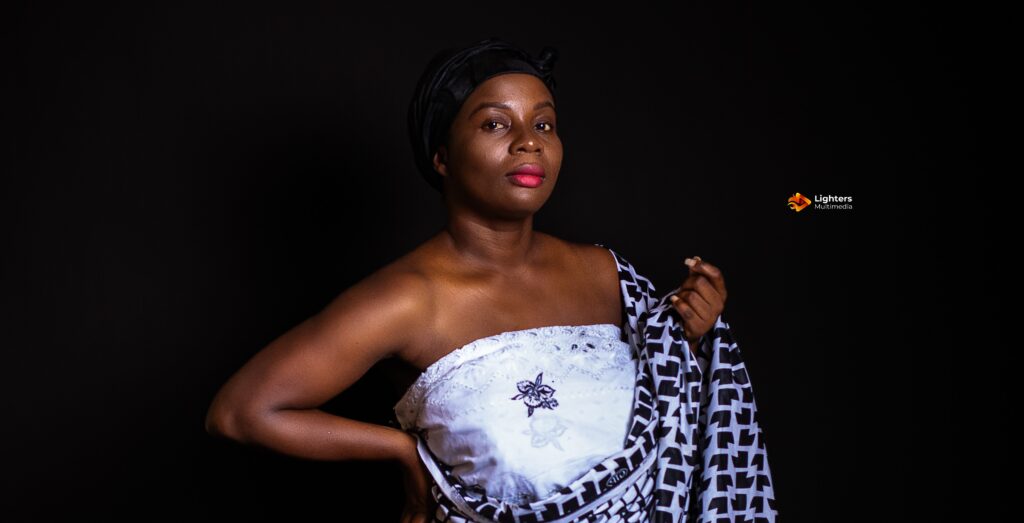
Hands-on Kente weaving workshops
Adinkra symbol interpretation sessions
Batik and Tie-Dye practical classes
Guided textile market tours
Fashion studio visits
These experiences allow visitors to learn directly from artisans while supporting local economies.
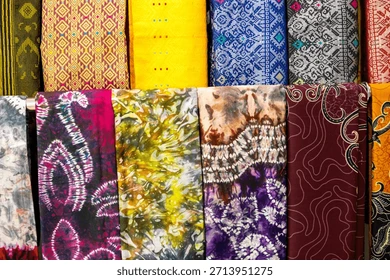
These fabrics showcase Ghana’s creativity through resist-dye techniques using wax, starch, or string. Popular in both traditional and modern fashion, Batik and Tie-Dye are widely produced by local artisans and women’s groups.
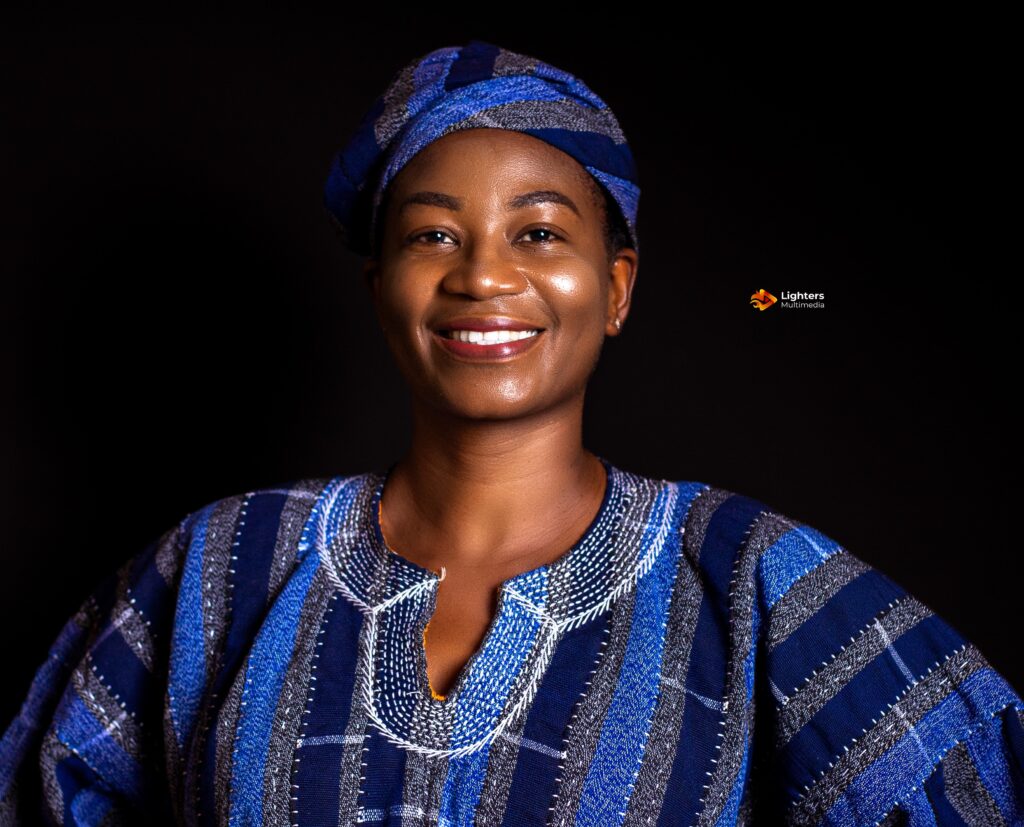
Predominantly worn in Northern Ghana, smock fabrics are handwoven strips sewn together to create garments that reflect tradition, identity, and functionality.